
A refurbished phone is a used device that has been checked, repaired if needed, then resold with a warranty. It is not new, and not simply used. The difference comes down to three words: inspection, parts, warranty. Without all three, the word means nothing.
In Algeria this market remains informal. Some shops do the work properly, others stick the label on a cleaned phone. Price alone cannot tell them apart: you have to ask precise questions and demand an invoice.
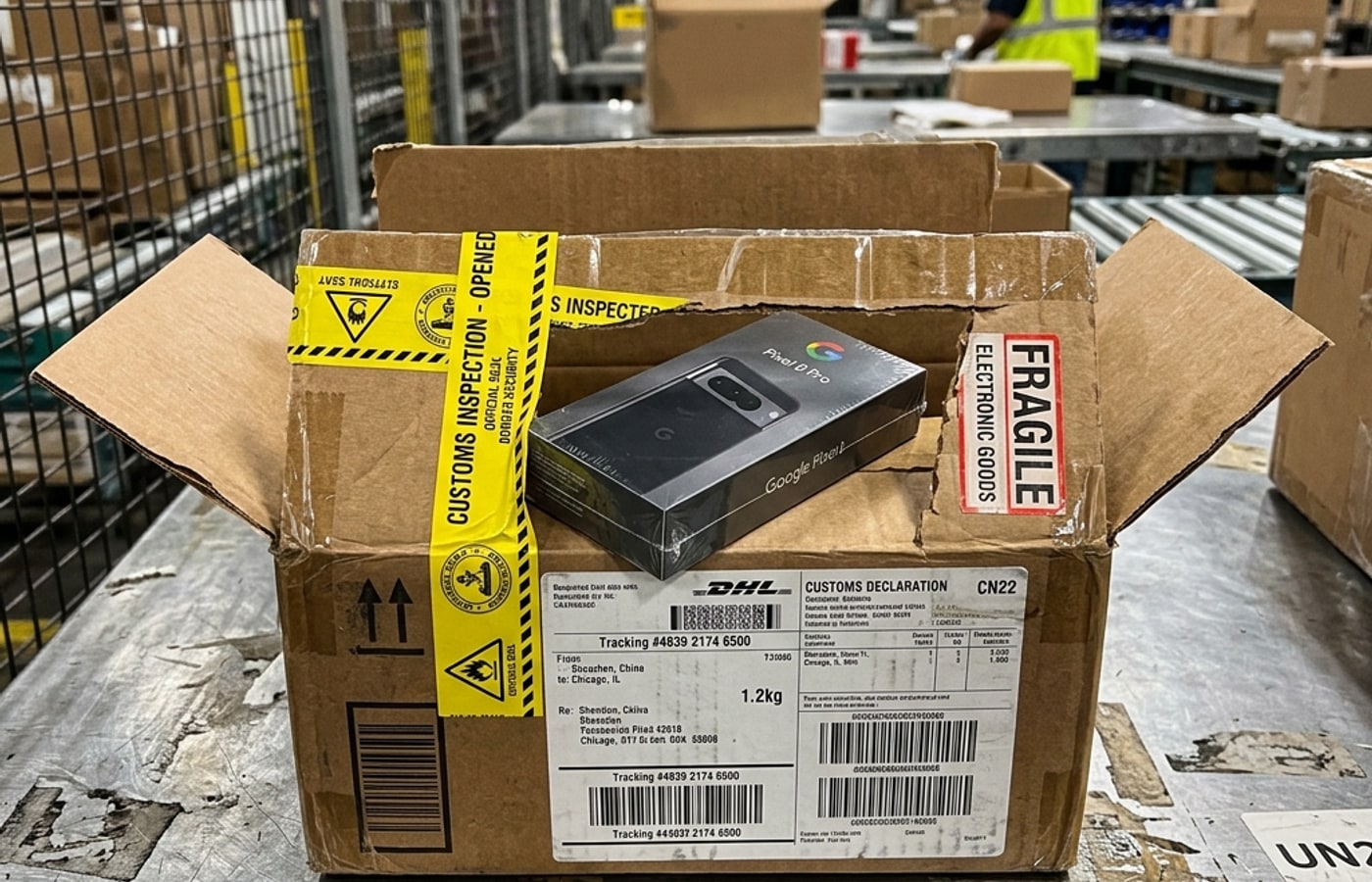
Three categories not to confuse
Refurbished implies a full diagnosis, replacement of worn parts and a functional test. Used means sold as-is, with no work. Counterfeit imitates a known model with unknown components.
A "like new" unit with no mention of replaced parts belongs to the second category. An iPhone at DZD 30,000 that looks like an iPhone 15 belongs to the third. In both cases the warranty is usually absent.
Grades and what they hide
Sellers often use A, B or C grades. Grade A means no visible scratches. Grade B accepts light marks. Grade C implies deep scratches or a replaced screen.
These grades say nothing about the battery, the fastest-ageing part. A grade A unit with 78% battery health is worth less than a grade B with a new battery. Always ask for the battery percentage and the brand of the replacement part.
The five questions to ask
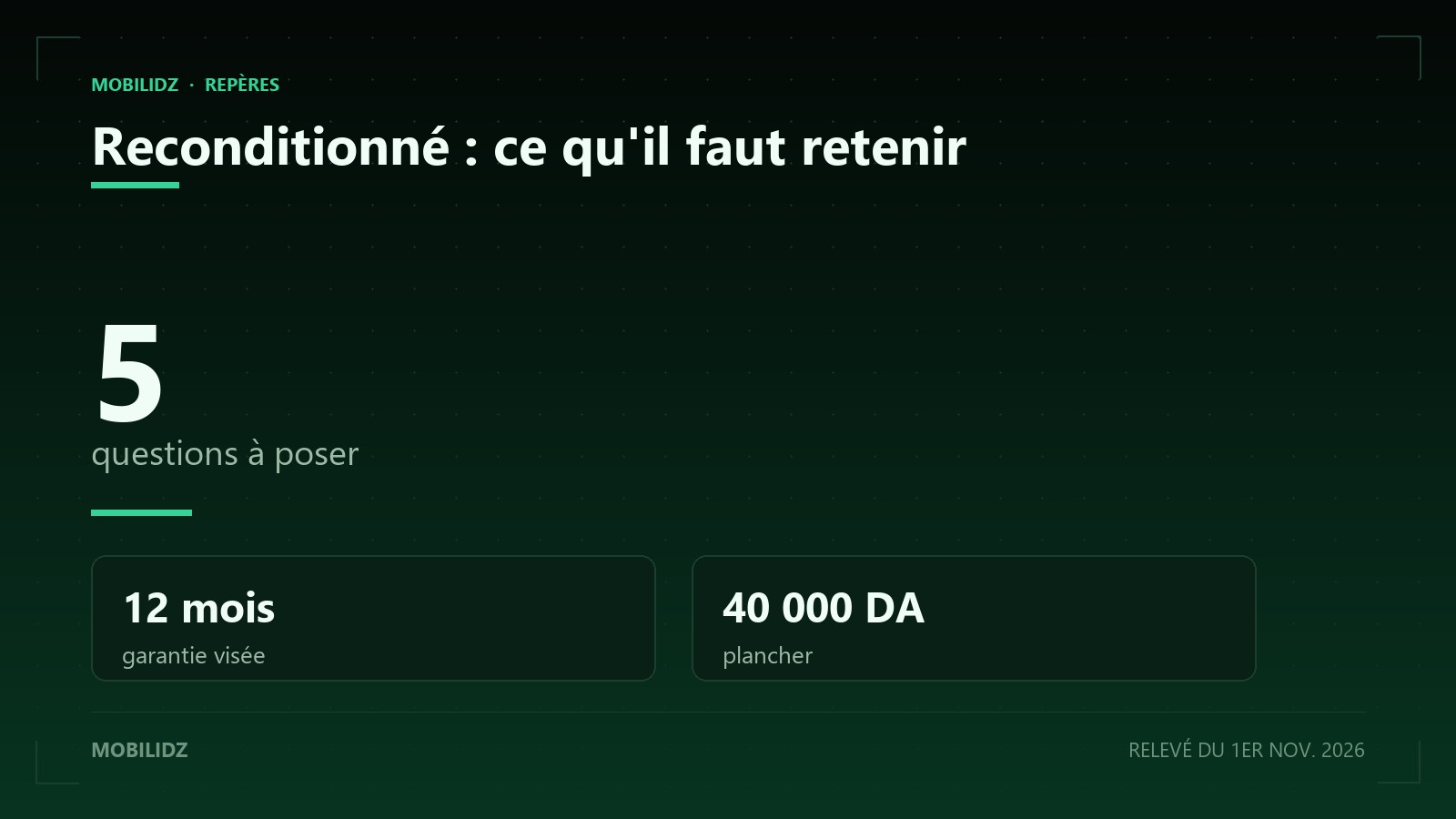
Has the battery been replaced, and with which model? Is the screen original or a copy? Which parts were changed? What exactly is the warranty length and what does it cover? Is there a written return right?
A serious seller answers without hesitation and will show the purchase invoice for the parts. A seller who answers "everything is original" to every question has checked nothing. Transparency is the only reliable sign.
The price calculation
Refurbished makes sense on two- to three-year-old flagships, whose new price has fallen without the performance becoming obsolete. An iPhone 13 sells between DZD 55,000 and 129,000 in our comparison tool, depending on condition and provenance. A sound refurbished unit sits around DZD 65,000 to 75,000.
It makes no sense at the low end. A new Galaxy A17 at DZD 36,000 with a manufacturer warranty beats a refurbished A17 at DZD 30,000 with no clear warranty. The price gap does not cover the risk.
Warning signs
No invoice, no verifiable IMEI, no written warranty, a price 40% below market, generic packaging with no serial number, or a refusal to let you test 4G. Those signs are enough to decline.
Conversely, a shop that issues a named invoice, lists the replaced parts and offers twelve months of warranty deserves DZD 5,000 to 10,000 more than an anonymous seller.
Warranty is the real test
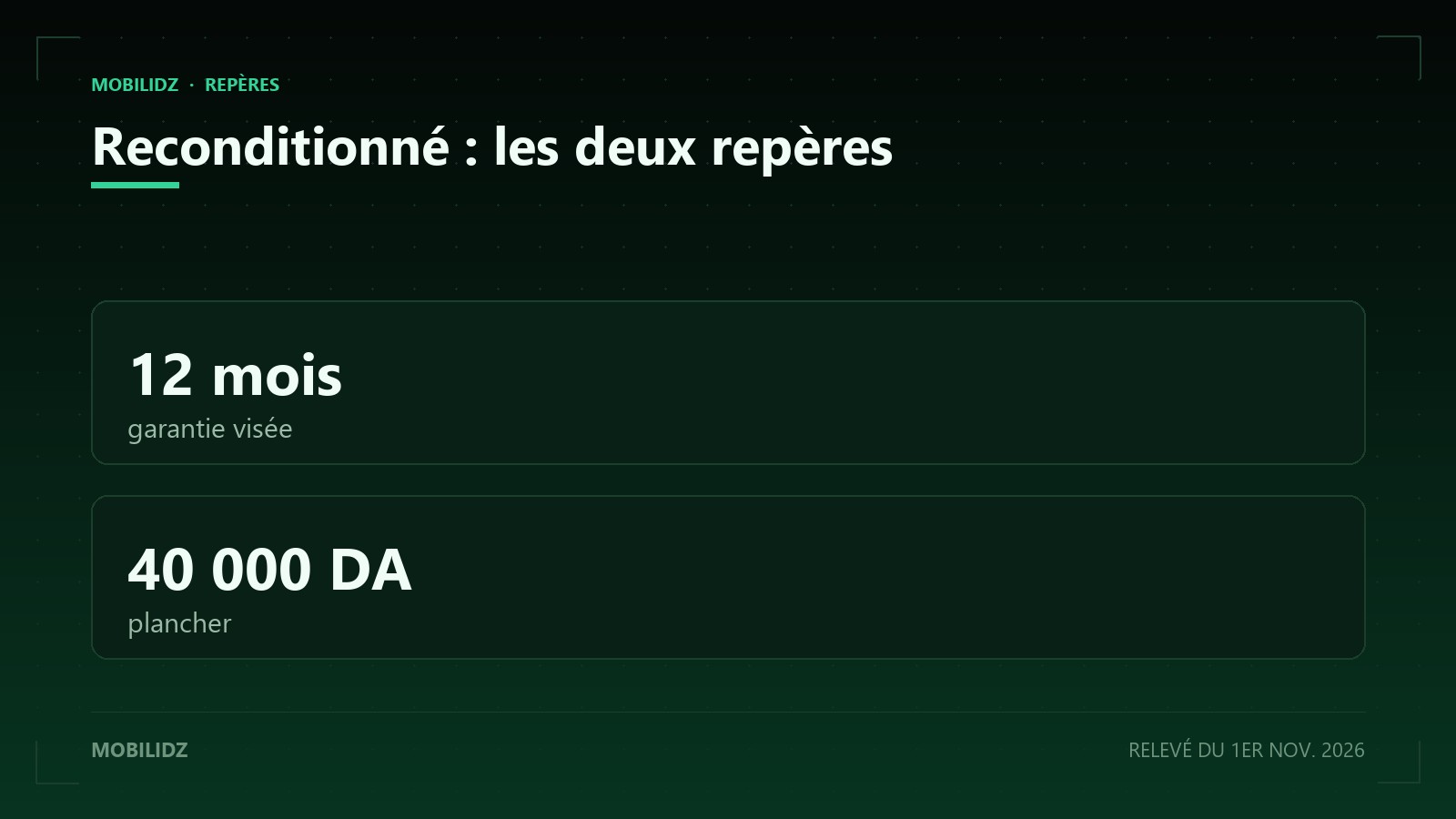
A twelve-month warranty covers battery and screen faults, the two most expensive parts. Six months is enough on a recent device, not on a three-year-old model. Require it in writing, with the list of replaced parts and the repairer's address. Without that document, the low price is just a down payment on the repair.
Verdict
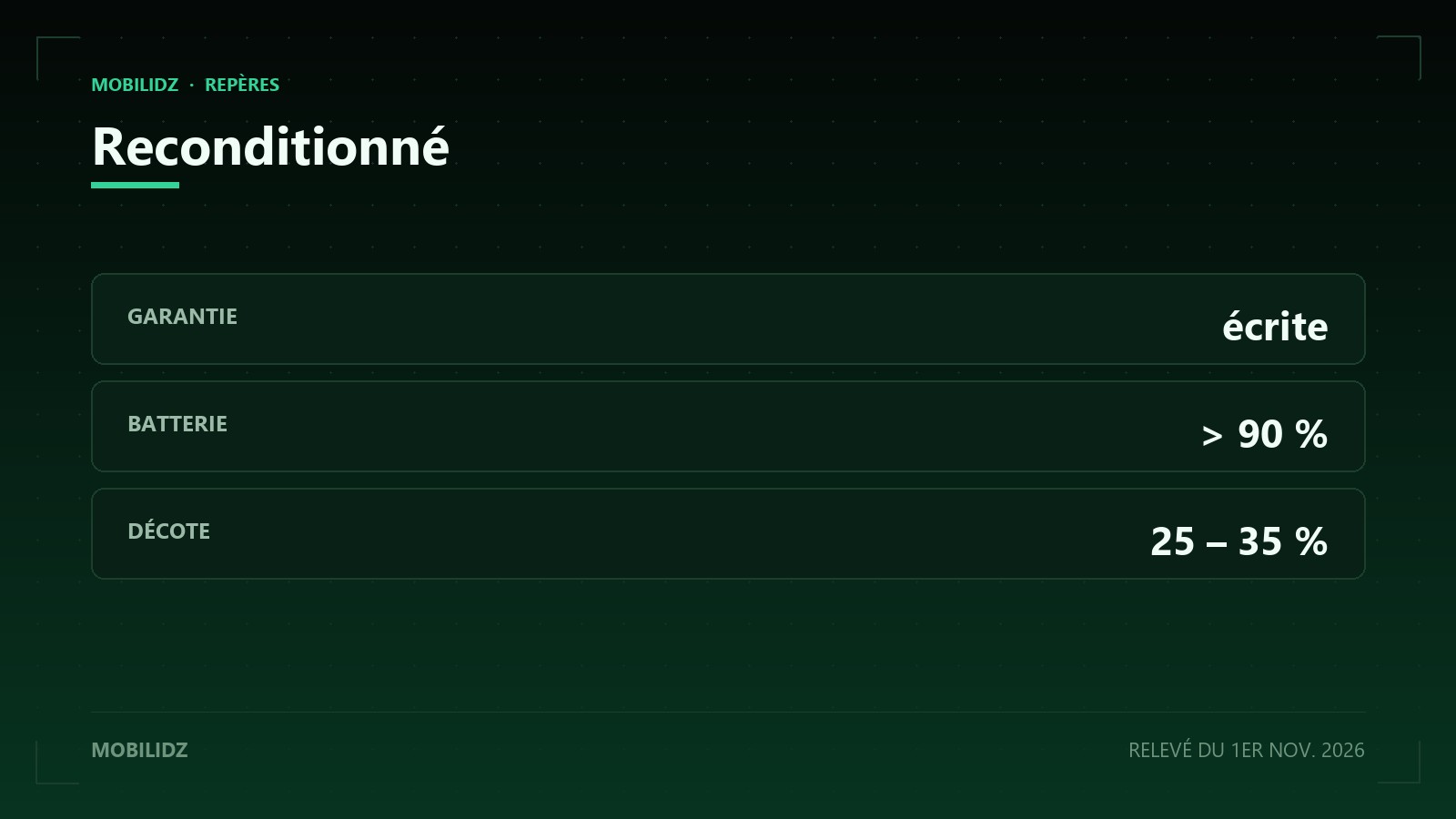
Buy refurbished if the price is 25–35% below new, the battery is new or above 90%, and the warranty is written. Avoid it below DZD 40,000: new is too close. And always check the IMEI before paying, refurbished or not.


