
A spec sheet lists the chip, the battery and the screen. It rarely says when the phone will stop receiving patches. That date decides whether your banking app, your other apps and your data stay current four years from now.
An Android phone gets two kinds of updates. Android versions add features and change the interface. Security patches close holes without anything visible. A brand can promise seven years of both, or only four years of the first and six of the second.
The commitment table
| Model | Android versions | Security patches |
|---|---|---|
| Galaxy S24 / S25 | 7 | 7 years |
| Galaxy A56 / A36 / A26 | 6 | 6 years |
| Google Pixel 8 and later | 7 | 7 years |
| Xiaomi 15 | 4 | 6 years |
| Redmi Note 14 4G | 4 | 6 years |
| Redmi Note 14 5G / Pro | 3 | 4 years |
| Oppo Find X9 | 5 | 6 years |
| Honor Magic 7 / 8 | 7 | 7 years, EU first |
| iPhone 16 | not published | not published |
These figures come from the manufacturers' own pages, checked in November 2026. They run from the global launch, not from the day you buy the phone.
Why the number matters more than before
Banking apps require a current system. Browsers patch holes every month. An abandoned Android version eventually loses access to some apps, or runs them with weaker protection.
Resale follows the same logic. A Galaxy S24 bought in 2026 stays supported until 2031. A budget model sold at the same price, with two years of patches, will be worth far less in 2028. Second-hand buyers increasingly check the support end date.
Seven years, but counted from when?
Samsung counts from the series launch. The Galaxy S24 shipped with Android 14 in January 2024. Seven versions later it should stop around Android 21. The exact date depends on Google's pace, but the duration is contractual.
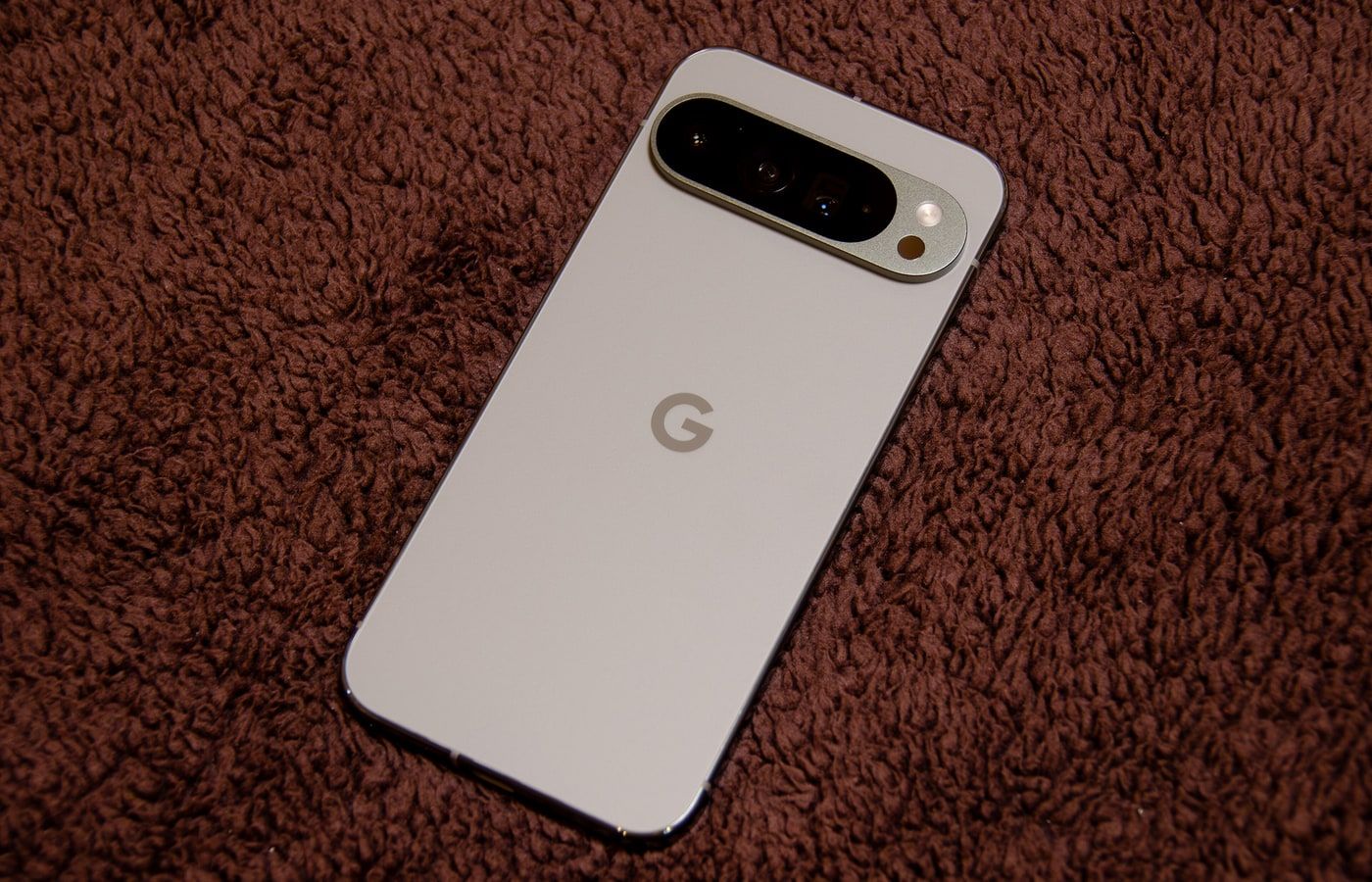
Google applies the same rule to the Pixel 8 and later: seven years of Android and security from the first availability on the US Google Store. A Pixel 8 bought new in 2026 therefore ends support in 2030, not 2033.
The split between monthly and quarterly updates matters too. Samsung puts the S24 and S25 on the monthly channel, the A26 and A36 on the quarterly one. A critical patch reaches the first faster.
The imported-model trap
In Algeria, a large share of phones arrive through import. Updates come from the manufacturer's servers, not from the carrier. An imported model therefore keeps receiving patches, provided its exact reference matches a supported firmware.
The exact reference sits in Settings, About phone. A seller who cannot provide it before purchase is often hiding a grey-market unit. Chinese variants of some brands lack Google services and follow a different schedule. Ask for the full reference, not just the marketing name.
Xiaomi, Oppo, Honor: read the small print
Xiaomi states four major versions and six years of security for the Xiaomi 15 under its support policy. The Redmi Note 14 family has no single commitment: the 4G version claims 4 + 6, while the 5G and Pro versions drop to 3 + 4. The family name is not enough; the exact model is.
Oppo promises five Android versions and six years of patches for the Find X9. Honor announces seven years for the Magic series, rolling out in Europe first. Those commitments are real, but they do not cover every market at the same time.
Apple promises no number
Apple publishes no support duration for iOS. It guarantees parts and service for five to seven years after the last sale, which is not the same thing. History shows five to seven major iOS releases per iPhone, with no written commitment.
For the iPhone 16, no official figure exists. A buyer who keeps the phone for six years is taking a calculated risk, not relying on a contract.
How to check before buying
Three checks are enough. The manufacturer's product page, in its updates section, states the commitment for the exact model. The security bulletin page shows whether the device still receives patches. The phone itself displays its Android version and patch level in settings.
Ask for the launch date as well. A model released three years ago has already used three years of support, even if it is sold as new.

Three years or five?
If you change phone every two or three years, four Android versions are enough. A Galaxy A56 with six years of support, or a Xiaomi 15 with four versions, covers that period comfortably.
If you keep a device five years or more, the gap widens. A model with seven years of patches stays secure while a three-year model is already abandoned. The price difference often justifies itself on that line alone.

Samsung Galaxy S25
12GB RAM · 128GB · 6.2 · AMOLED Dynamic LTPO Amoled 2X
Verdict
For long ownership, the Galaxy S24 and S25, the Pixel 8 and later, the Honor Magic and the Oppo Find X9 carry the longest commitments. For a three-year cycle, the Galaxy A56 and Xiaomi 15 are enough. The iPhone 16 remains a good phone, but Apple signs no duration contract.
Read next
Sources
- Samsung: Galaxy S24 gets seven Android generations
- Samsung Mobile Security: patch scope
- Google: Pixel update duration
- Apple: service and parts for five to seven years
- Oppo: five Android versions for the Find X9
- Honor: seven years for the Magic series
Photo credits
Photos: Google (CC BY-SA 3.0), D.328 (CC BY-SA 4.0), David Kernan (CC BY 4.0). Files via Wikimedia Commons.


